
Advice
Why damp gets worse in winter in Lincolnshire homes
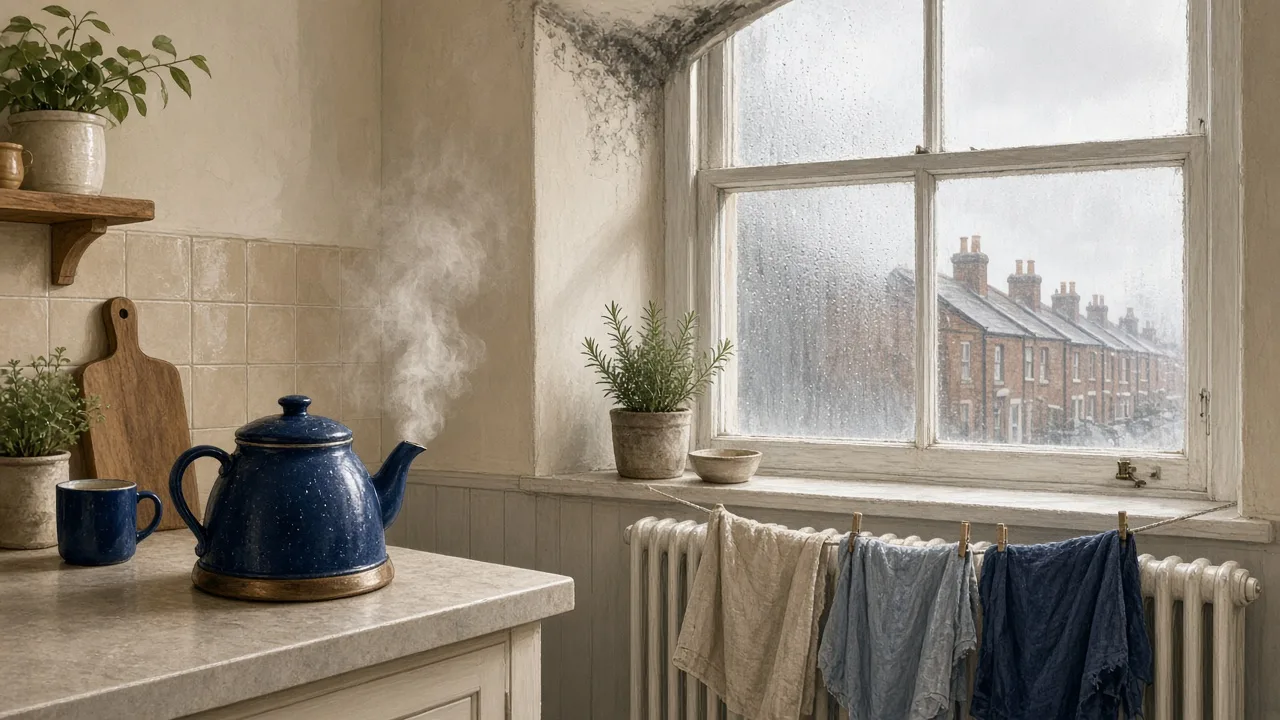
Every year, as the clocks go back, our phone and WhatsApp start filling up with the same kind of message: “We’ve noticed black marks in the bedroom,” “The windows are streaming every morning,” or “That patch on the wall has come back.”
It isn’t your imagination. Damp really does get worse in winter, and there are good reasons why. Understanding them makes it much easier to work out what’s going on in your own home, and what will actually help.
Lincolnshire isn’t especially rainy, so why so much damp?
Lincolnshire is one of the drier parts of the country for rainfall. But winter here brings cold, raw air, long stretches of grey, damp weather, frosty nights and easterly winds coming straight in off the North Sea. Add a large stock of older homes, and you have the perfect setting for winter damp.
Across our area you’ll find Victorian and Edwardian terraces in Grimsby, Cleethorpes and Scunthorpe, older cottages in the Wolds and market towns such as Louth, Caistor and Market Rasen, and coastal homes towards Mablethorpe that take the full force of the weather. Many have solid walls with no cavity, which means the inside face of the wall gets colder in winter than a modern insulated wall would.
Reason 1: walls and windows are colder
Condensation happens when warm, moist air meets a cold surface and turns back into water. In winter, every outside wall, window and corner is colder, so there are simply more places for that to happen.
The coldest spots are usually:
- window glass and frames, especially older double glazing and single glazing
- the corners where two outside walls meet, and where the wall meets the ceiling
- ceilings near the eaves, where loft insulation can be thin or missing at the edges
- walls behind wardrobes and beds, where warm air can’t circulate
That’s why mould so often appears in the same places every winter: high in the corner of a bedroom, around the window reveal, and behind the furniture.
Reason 2: more moisture inside, and less of it escaping
A normal household puts a lot of water into the air every day. Cooking, boiling the kettle, showers and baths, and even breathing overnight all add moisture. In winter, we tend to add more and let less of it out:
- Washing gets dried indoors, often on radiators or airers in closed rooms. A full load of wet washing has to put all that water somewhere.
- Windows stay shut to keep the heat in, and trickle vents get closed because of draughts.
- Extractor fans get switched off because they’re noisy, or they were never powerful enough to begin with.
- Doors stay closed, so steam from the bathroom or kitchen drifts into the coldest bedroom and settles there.
None of this is anyone doing anything wrong. It’s just winter life. But it explains why a home that’s fine in July can have streaming windows in December.
Reason 3: heating that goes on and off
Many of us heat our homes in short bursts to keep the bills down: on for an hour in the morning, off all day, on again in the evening. It’s understandable, but it’s one of the biggest drivers of condensation.
When the heating goes off, the walls cool down. When it comes back on, the air warms quickly and picks up moisture, but the walls stay cold for much longer. That warm, moist air then meets the cold walls, and condensation follows.
A steady, low background temperature is usually better for damp than big swings, even if the thermostat is set lower.
Reason 4: wet weather shows up every weakness
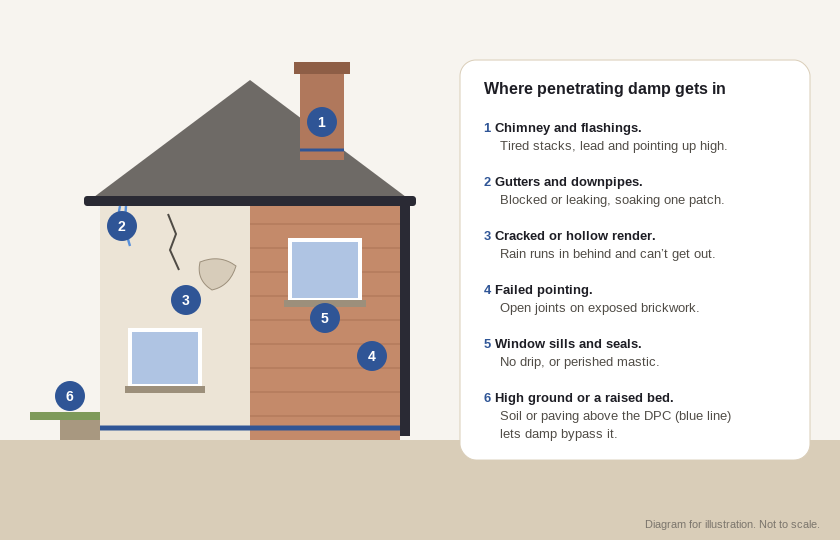
Winter weather also exposes any way rain is getting into the building, which is penetrating damp. Autumn leaves block gutters, so water overflows down the wall. Cracked or hollow render, tired pointing and failed sealant around windows all let more water in when the rain is driven against the wall by the wind. Exposed, east- and north-facing walls nearer the coast tend to suffer most.
The tell-tale signs are damp patches that appear, or get bigger, after a spell of wet and windy weather, often at a height that rules out rising damp.
Reason 5: wetter ground
The ground stays wetter through the winter months, and that can make rising damp or a bridged damp-proof course more obvious. If soil, a flower bed or a path has been built up above the damp-proof course, wet ground sits against the wall above the barrier and the damp simply goes around it. Low-lying ground and poor drainage near the wall make that worse.
What genuinely helps
If you’re seeing condensation, these are the things that make the biggest difference, and most cost little or nothing:
- Keep a steady background heat in the coldest rooms, rather than short blasts.
- Use extractor fans every time you cook or shower, and leave them running for 15–20 minutes afterwards. Clean the grilles so they work properly. We don’t fit extractor fans, PIV units or other electrical work, but we can advise on ventilation and recommend an electrician if a fan needs fitting or replacing.
- Open trickle vents and leave them open. A little fresh air does far more good than harm.
- Shut the door when you’re cooking, bathing or showering, so steam doesn’t drift to colder rooms.
- Dry washing outside when you can. If it has to be indoors, use one room with the door shut and a window open a crack, or a dehumidifier.
- Pull furniture away from outside walls by a few centimetres so air can move behind it.
- Wipe windows and sills in the morning, and wipe off early mould before it spreads.
- Clear gutters after the leaves have come down, and look for overflows when it rains.
If you’ve done all that and the mould keeps coming back, or the damp is low on the wall, getting worse after rain, or bringing salts and blown plaster with it, there’s probably something else going on.
When to get it looked at
Get a proper look at the wall if you notice:
- a tide mark, salts or crumbling plaster on a ground-floor wall
- a damp patch that gets bigger after rain
- cracked or hollow render, or water running down the outside of the wall
- mould that keeps coming back despite good heating and ventilation
- a musty smell that won’t go away
Winter is actually a good time for a survey, because the damp is at its most visible and easiest to read. We’ll look at the wall inside and out, take moisture readings where they’re useful, and tell you honestly what we think is causing it, even if the answer is better ventilation rather than a job for us.
Our guide to rising damp vs condensation explains how to tell the two apart, and what happens in a free damp survey explains exactly what we do on the visit.
Free damp surveys this winter
We cover Grimsby, Cleethorpes, Louth, Mablethorpe, Scunthorpe, Lincoln and the other towns on our areas page. Send a few photos on WhatsApp for an honest first view, or book a free damp survey. There’s no obligation, and every damp-proofing job we carry out comes with guaranteed workmanship and a 10-year guarantee on damp proofing works.